No-Cost Clinical Care for Ohioans Impacted by Gambling.
The Ohio Gambling Telehealth Network (OGTN) is a system of counseling providers throughout Ohio available to those affected by problem gambling or gambling disorder.
Contact OGTN at: 614-750-9877

The Ohio Gambling Telehealth Network (OGTN) is officially accredited through CARF International, a globally recognized organization dedicated to advancing the quality of health and human services.
Service Options
OGTN Counselors will work directly with their clients to assist them in addressing personal challenges, concerns, and goals. When applicable, counselors will inform clients of appropriate services unavailable from OGTN and will assist the client in being connected to an appropriate provider or service.
What to Expect
The process to become a client with OGTN requires two meetings: intake and assessment. Learn more about what comes next after completing your paperwork.
Insurance & Payment
All Ohio residents, regardless of ability to pay, will be considered for services with OGTN if they are living with gambling-related harms. Clients who are uninsured will not be turned away from services due to inability to pay nor be expected to pay out of pocket for services or receive bills for services.
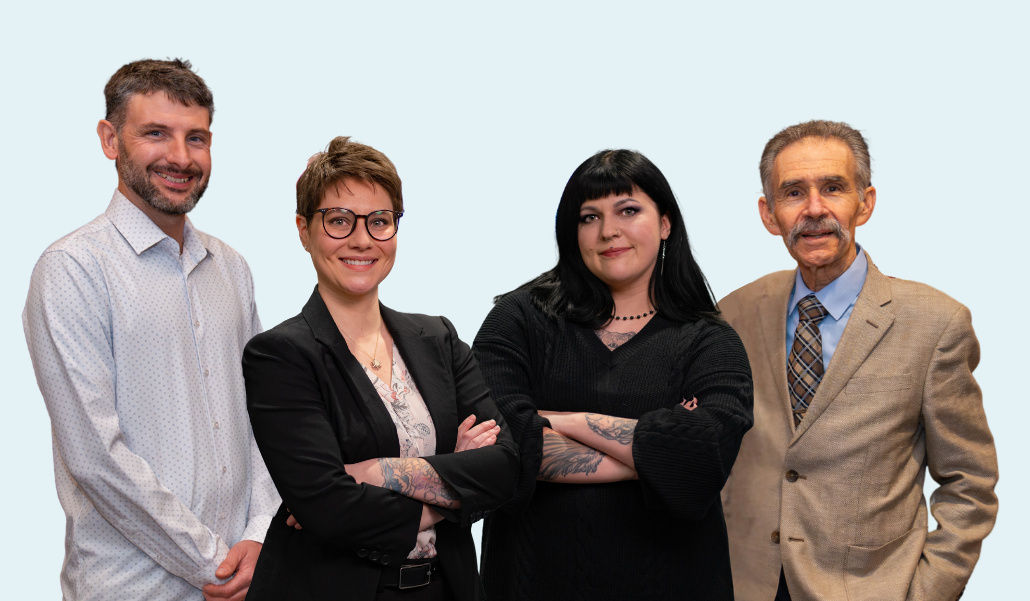
MEET OUR TEAM
Each member of our staff is specially certified to provide treatment for problem gambling.
Not a client, but still looking for resources?
Whether looking for information for yourself, a family member, or loved one, we have what you need.
FREQUENTLY ASKED QUESTIONS
What does gambling-related harm look like?
The effects of gambling-related harm can look different for everyone. However, it usually manifests in a few common ways, such as preoccupation regarding gambling, chasing losses, secrecy or lying about gambling habits, loss of control over gambling behaviors, or strain on relationships or work.
Who is telehealth appropriate for?
Telehealth is a great resource to bring access to services to people who do not have local resources or have barriers preventing them access to local services. However, telehealth is not always the best fit for a client. Staff responsiveness to client emergencies is not as capable as a provider located in the same community as the client. Steps are actively taken for a telehealth provider to offer as much support as possible, but for clients needing direct support or intervention, telehealth may fall short of providing the assistance most needed. As services in telehealth may have some limitations, for some clients, referrals to local services may be made. These referrals may coexist with services continued at OGTN, but in some cases, depending on clinical appropriateness, OGTN may refer to local providers and discharge the client if more intensive services are needed that OGTN cannot provide. Clients who consistently miss scheduled appointments or fail to reschedule in advance will ultimately face discharge and be referred to local services in their area.
Who can become a client?
Any Ohioan who is experiencing gambling-related harm. This can include anyone who gambles or the loved one of someone who gambles. All OGTN clients must reside in Ohio. Currently services are limited to adults 18 years and older, but efforts are underway to offer services to adolescents in the future.
What is needed to become a client?
Ideally, a client will have access to the internet that can support a video call. In order to become a client of OGTN, a prospective client will need an email address in order to complete required paperwork, receive OGTN documents, receive links and reminders, and be able to upload needed documents like a photo ID and insurance card.
Do you need insurance to become a client?
The short answer is no. All Ohio residents, regardless of ability to pay, will be considered for services with OGTN if they are living with gambling-related harms. Clients who are uninsured will not be turned away from services due to inability to pay, nor be expected to pay out-of-pocket for services or receive bills for services.